Connections
Start with the network voltages and connection arrangement. Review the terminal or cable interfaces against your system and project drawing.
- Primary Voltage
- 15 / 20 / 22 kV
- Secondary Voltage
- 220 / 380 / 400 / 415 / 480 / 600 V

Dry Type Transformer
A 20 kV cast-resin dry-type option for utility distribution, industrial facilities and renewable-energy projects.

Overview
Compare the published voltage options with the actual network connection. Utility requirements, tap positions and the load profile help define the configuration; the voltage class alone is not a complete specification.
Start with the network voltages and connection arrangement. Review the terminal or cable interfaces against your system and project drawing.
Review the dry-type insulation and cooling arrangement for the operating environment. Airflow, enclosure and access requirements depend on the selected configuration.
Plan the footprint, access and cable routes using the approved outline drawing. Share the installation environment so the mechanical interfaces can be reviewed.
Specifications
Listed options describe the product range. Final ratings, compatible combinations and performance are confirmed in the approved project datasheet.
| Capacity range | Up to 40,000 kVA |
|---|---|
| Voltage class | 20 kV |
| Frequency | 50 / 60 Hz |
| Tap Range | ±2 × 2.5% |
| Vector Group | Dyn11 / Yyn0 |
| Primary Voltage | 15 / 20 / 22 kV |
| Secondary Voltage | 220 / 380 / 400 / 415 / 480 / 600 V |
| Cooling | AN / AF |
|---|---|
| IP class | IP00 / IP23 |
| Environment | Indoor, -25°C to +40°C |
| Core material | Cold-rolled grain-oriented silicon steel |
| Insulation class | Class F / H |
Standards & compliance
GB / IEC / IEEE / UL / CE / ASTA
Applicable standards and required certificates or test reports must be agreed for the specific project. A standard listed here is not a certification claim.
Listed options describe the product range. Final ratings, compatible combinations and performance are confirmed in the approved project datasheet.
Manufacturing
Explore our manufacturing and test equipment. The production route and acceptance tests are agreed for each configuration.
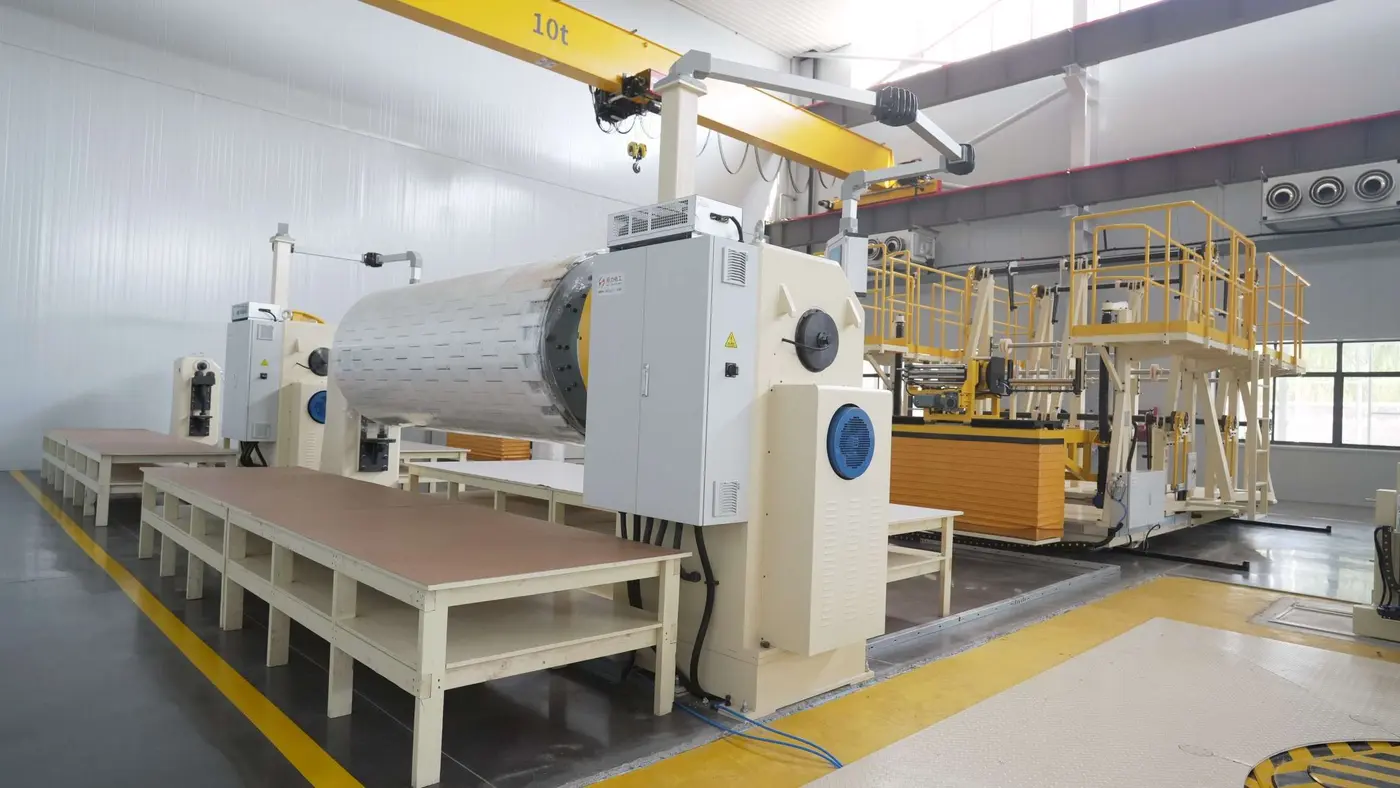
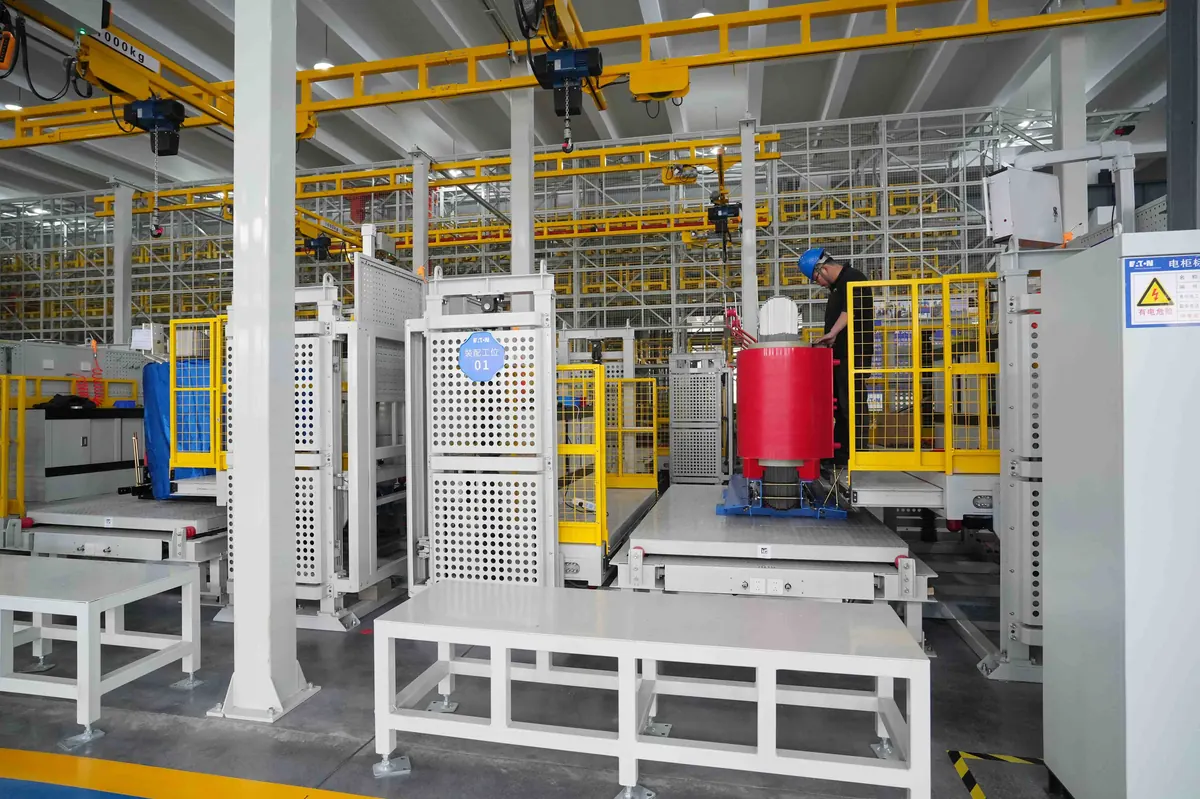
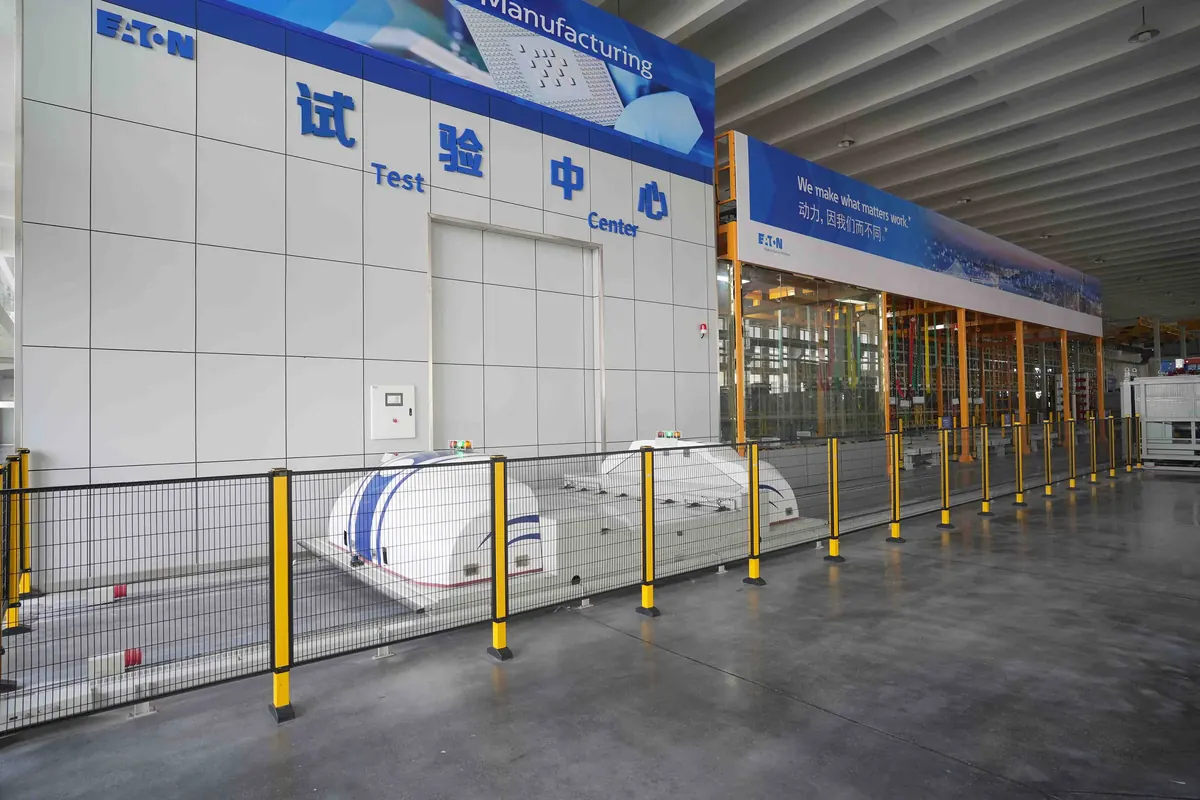
Images from our factory gallery. Equipment shown does not imply every product uses the same manufacturing process.
Explore the FactoryNo. Provide the required primary and secondary voltages, frequency and utility specification. Insulation level, taps and operating conditions must be checked for the actual connection.
Start with your email and a short description. Tell us what you want to power, replace or purchase. You can send known ratings or a drawing, but you do not need to know every specification.
These are defined in the project quotation after reviewing the technical scope, quantity, destination and document requirements.
Talk to an engineer
A short description is enough. We’ll help clarify the specifications.